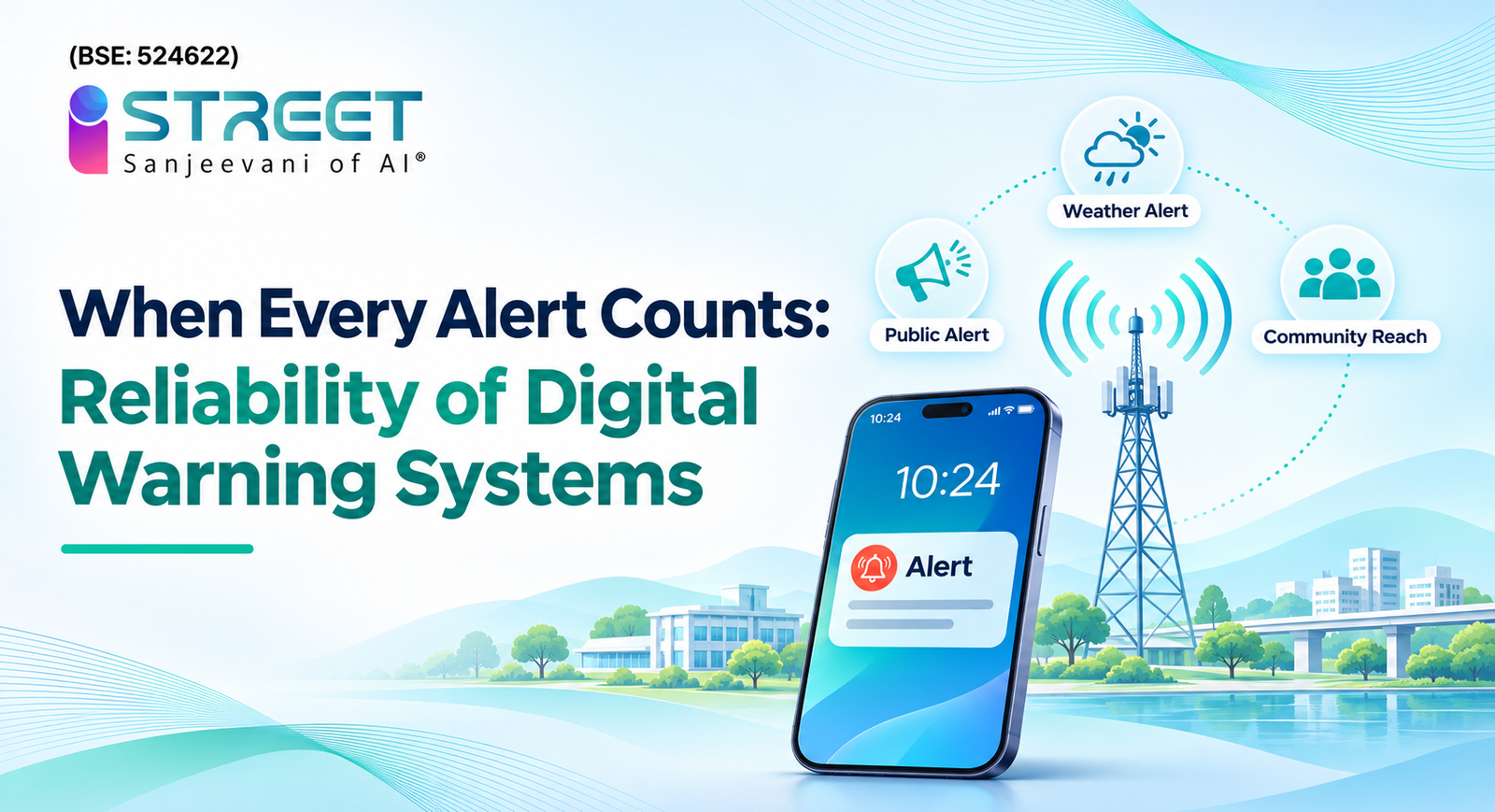
India has developed an advanced early warning ecosystem that combines weather forecasting, flood monitoring and digital communication technologies. Through government initiatives, critical information is broadcasted through mobile applications, SMS, digital platforms, and other communication channels. These systems play a crucial role in strengthening disaster preparedness. However, alongside accurate forecasting, the reliability of the digital infrastructure responsible for distributing warnings is equally important.
Reliable Digital Infrastructure Matters During Emergencies
Warnings often need to reach large populations within a limited period. During heavy rainfall or rising river levels, the demand for weather updates and emergency information can increase significantly. A single warning may need to be shared across government platforms, mobile applications, SMS services and other communication networks. Each channel relies on connected digital systems to process and distribute information. While these technologies provide multiple ways to reach communities, maintaining consistent performance across them becomes especially important during emergencies.
An official flood warning may be generated and made available through an established government platform. However, unusually high application traffic, temporary network interruptions, or delays in connected services could affect how quickly that information becomes accessible through different channels. This highlights an important distinction between the accuracy of weather forecasts and the operational reliability of the systems that distribute them. Accurate forecasting supports effective preparedness, while dependable digital services help critical information available without unnecessary delays.
The Challenge of Maintaining Reliable Warning Distribution
Early warning systems depend on multiple applications, communication networks and supporting infrastructure working together. During severe weather events, these systems may experience sudden increases in demand as authorities, farmers and the public seek updated information. High traffic can affect application performance, while interruptions involving connected services may delay the processing or distribution of alerts.
Digital information travels through different platforms, and identifying the exact source of a technical delay can become challenging. An application may remain available while another connected service experiences slower responses. In such situations, technical teams need to determine which services are affected, understand the extent of the disruption and restore normal operations as quickly as possible. The priority is to strengthen the existing digital ecosystem with continuous visibility and faster identification of operational issues.
How Real-Time Monitoring Can Strengthen Warning System Reliability
Continuous monitoring helps maintain visibility into the performance of applications, infrastructure and communication services supporting early warning distribution. By tracking system availability, processing times and unusual delays, potential issues can be identified as they occur. This becomes particularly valuable when warning platforms experience increased demand during severe weather conditions.
Monitoring the Complete Warning Distribution Journey
Monitoring the connected stages helps technical teams identify whether delays are occurring during alert processing, application updates or communication-channel handovers. This provides a clearer understanding of service performance and supports timely investigation when unexpected problems arise.
Identifying Problems Before They Spread
Unusual increases in system demand, slower application responses and repeated processing failures can indicate emerging operational risks. Early identification allows technical teams to assess affected services and take appropriate corrective measures before additional channels experience disruption.
Accelerating Root Cause Identification
When multiple applications and communication services are involved, identifying the cause of a delay manually can require significant time. By connecting related system alerts and performance information, the likely source of disruption can be identified more efficiently.
Supporting Service Continuity During Emergencies
Reliable warning distribution also depends on the ability to maintain access to information when individual services experience difficulties. Continuous monitoring can help identify affected communication channels, support recovery priorities and verify whether digital platforms are functioning normally.
Strengthening Preparedness Through Reliable Digital Services
The value of reliable warning infrastructure extends beyond technology performance. For farmers, timely information supports decisions about protecting agricultural assets and preparing for changing weather conditions. For disaster management authorities, dependable communication channels support coordination, preparedness and timely public information. For technology teams, continuous visibility and faster problem identification can reduce operational pressure during critical events.
While monitoring cannot guarantee that every alert reaches an individual mobile device, it can strengthen the reliability of the systems responsible for processing and distributing warnings. Confirmation of individual delivery depends on information available from the relevant communication providers.
Advancing Digital Resilience for Disaster Preparedness
As digital infrastructure continues to strengthen essential public services, maintaining dependable access to critical information remains an important priority. India’s established early warning capabilities provide a strong foundation for disaster preparedness. Building on these capabilities through continuous monitoring, faster issue resolution and improved service continuity can further strengthen operational readiness. The true value of resilient digital infrastructure lies in ensuring that critical information remains available, essential services continue functioning and communities are better prepared when every minute matters.
About iStreet Network
iStreet Network Limited is an enterprise-grade, AI-native Sovereign AI ecosystem. At its core is Sanjeevani of AI®, iStreet’s AI Centre of Excellence and integrated framework that brings together observability, security, governance, risk, and compliance to operationalize enterprise AI with greater control, resilience, and assurance