Enterprise technology environments comprise interconnected software applications, hardware infrastructure, AI models and third-party dependencies. While organisations maintain inventories of these components, understanding how they collectively support critical business services requires a broader approach. An enterprise that identifies a vulnerability in a software library, determining its potential impact requires more than locating the affected application. Security teams must understand where the application is deployed, which infrastructure supports it, whether AI systems depend on it, and which business services could be affected.
A Unified Bill of Materials (Unified BOM) addresses this requirement by correlating software, hardware and AI component inventories into a connected view of enterprise technology dependencies, enabling greater traceability, contextual risk assessment and informed decision-making.
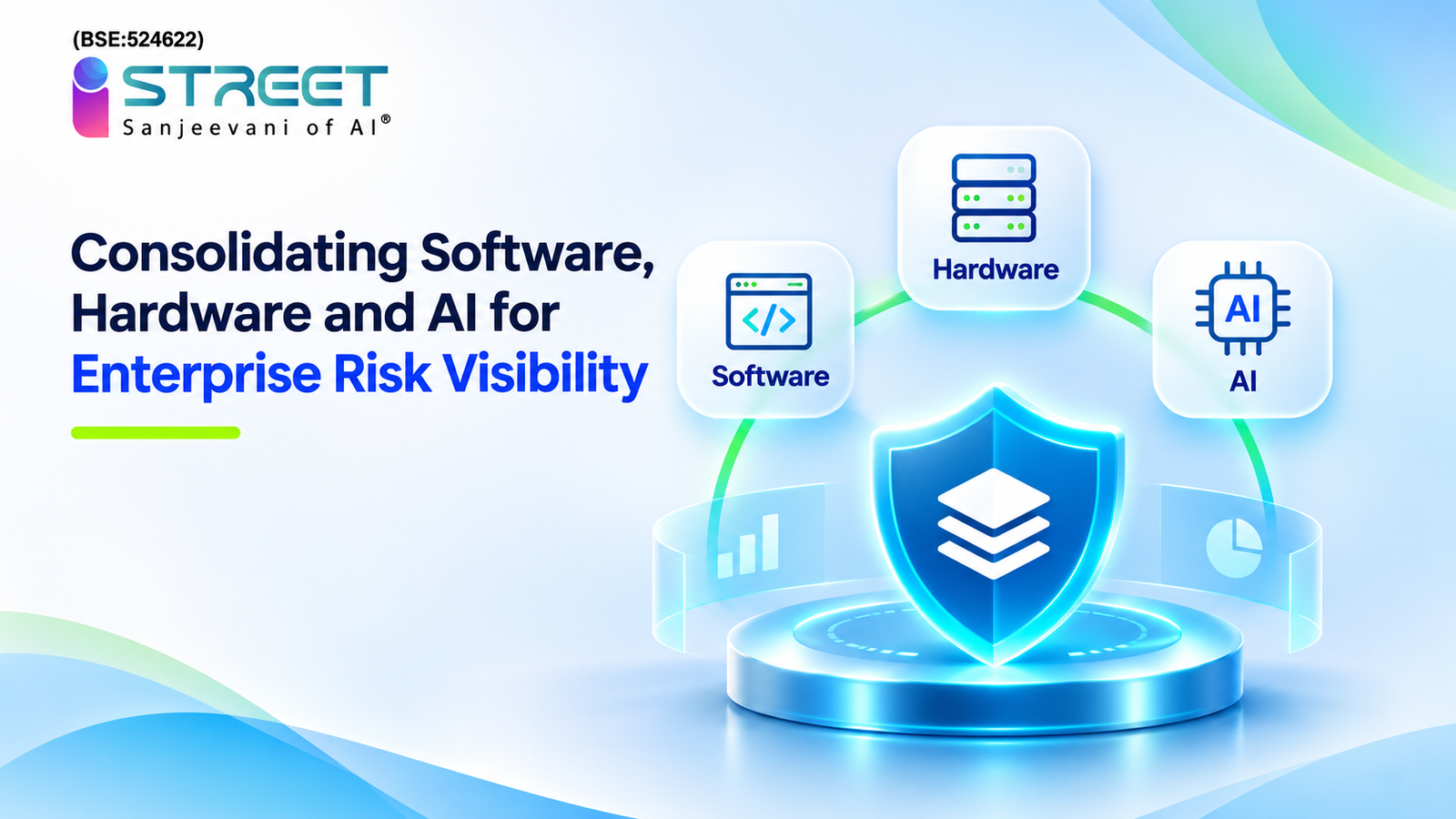
Understanding SBOM, HBOM and AIBOM
Each Bill of Materials provides visibility into a specific layer of enterprise infrastructure.
Software Bill of Materials (SBOM)
An SBOM provides a structured inventory of software components, libraries, packages, versions, suppliers and dependencies within an application. It enables organisations to identify third-party software exposure, trace vulnerable dependencies and assess the applications that require remediation when new vulnerabilities are disclosed.
Hardware Bill of Materials (HBOM)
An HBOM documents hardware components, devices, chipsets, manufacturers and associated hardware dependencies. Firmware information can be linked to these records to establish visibility across physical infrastructure. It supports hardware supply-chain assessment, component traceability and the identification of potentially affected infrastructure.
AI Bill of Materials (AIBOM)
An AIBOM documents the components supporting an AI system, including models, datasets, frameworks, libraries and associated dependencies. It enables enterprises to establish visibility into AI model provenance, component relationships and lifecycle changes, supporting security assessment and AI governance.
While SBOM, HBOM and AIBOM provide individual component visibility, their correlation establishes a broader understanding of how enterprise technology systems operate together.
Why Enterprises Need a Unified BOM
The challenge arises when software, hardware and AI inventories are maintained independently. A hypothetical bank operating an AI-assisted fraud detection system, its AI model depends on application libraries, data-processing frameworks and underlying computing infrastructure.
If a vulnerability is identified in a supporting software component, the bank must determine whether the affected version is deployed, which AI workloads depend on it and whether remediation could interrupt fraud detection services. Separate inventories may identify individual components without establishing their complete operational relationships. A Unified BOM enables enterprises to trace dependencies across these technology layers and connect component information with business-critical services. This supports a shift from isolated component management towards dependency-aware security intelligence and enterprise risk management.
How a Unified BOM Correlates Software, Hardware and AI Components
Effective correlation requires more than consolidating different inventories into a central repository.
1. Establish Component-Level Visibility
Collect software dependency records, hardware component information and AI model inventories from development environments, deployment systems, asset management tools and suppliers. Standardised, machine-readable formats support consistent identification and exchange of component information.
2. Map Cross-Layer Dependencies
Connect software components to applications, workloads to supporting infrastructure, and AI models to their underlying frameworks and dependencies. Component identifiers, versions and deployment records establish relationships across these layers, creating a traceable dependency structure.
3. Correlate Vulnerabilities with Business Context
Enrich component information with vulnerability intelligence, exploitability assessments, deployment exposure and business service criticality. A vulnerability affecting a shared software dependency may require greater attention when that component supports multiple critical applications.
4. Maintain Continuous Component Intelligence
Software updates, infrastructure replacements and AI model changes can alter enterprise dependencies. Continuous update of component records and validating them against deployed environments helps organisations identify changes, maintain traceability and improve remediation decisions.
How Unified BOM Strengthens Enterprise Security and Governance
Accelerated Vulnerability Impact Analysis: Identify affected systems and downstream dependencies when vulnerabilities emerge.
Risk-Based Remediation: Prioritise security findings according to component exposure, exploitability and business criticality.
AI Governance and Accountability: Maintain traceability across AI models, supporting datasets, frameworks and infrastructure dependencies.
Supply-Chain Transparency: Improve visibility into third-party components, suppliers, versions and technology dependencies.
Operational Resilience: Evaluate the potential impact of patches, component replacements and infrastructure changes on critical services.
These capabilities strengthen the connection between component inventories, cybersecurity operations and enterprise governance.
Advancing Unified BOM Intelligence Through iStreet’s Sovereign AI
iStreet Network Limited enables enterprises to establish comprehensive visibility and control over technology environments through Unified BOM capability, correlating software, hardware, firmware, AI models and assets with underlying dependencies. This enables organisations to understand how technology components interact, identify where vulnerabilities may affect interconnected systems and assess implications for critical business services.
By correlating Unified BOM intelligence with Risk-Based Vulnerability Management (RBVM), iStreet helps enterprises move beyond isolated vulnerability assessments towards contextual risk prioritisation. Security teams can trace affected components, evaluate exposure and exploitability, understand business impact and prioritise remediation based on operational criticality. This strengthens supply-chain transparency, security governance and resilience across complex enterprise environments. Aligned with iStreet’s Sovereign AI vision, Sanjeevani of AI® and AI Center of Excellence (AICoE), this approach extends governance beyond individual technology assets to the dependencies supporting enterprise applications and AI systems.