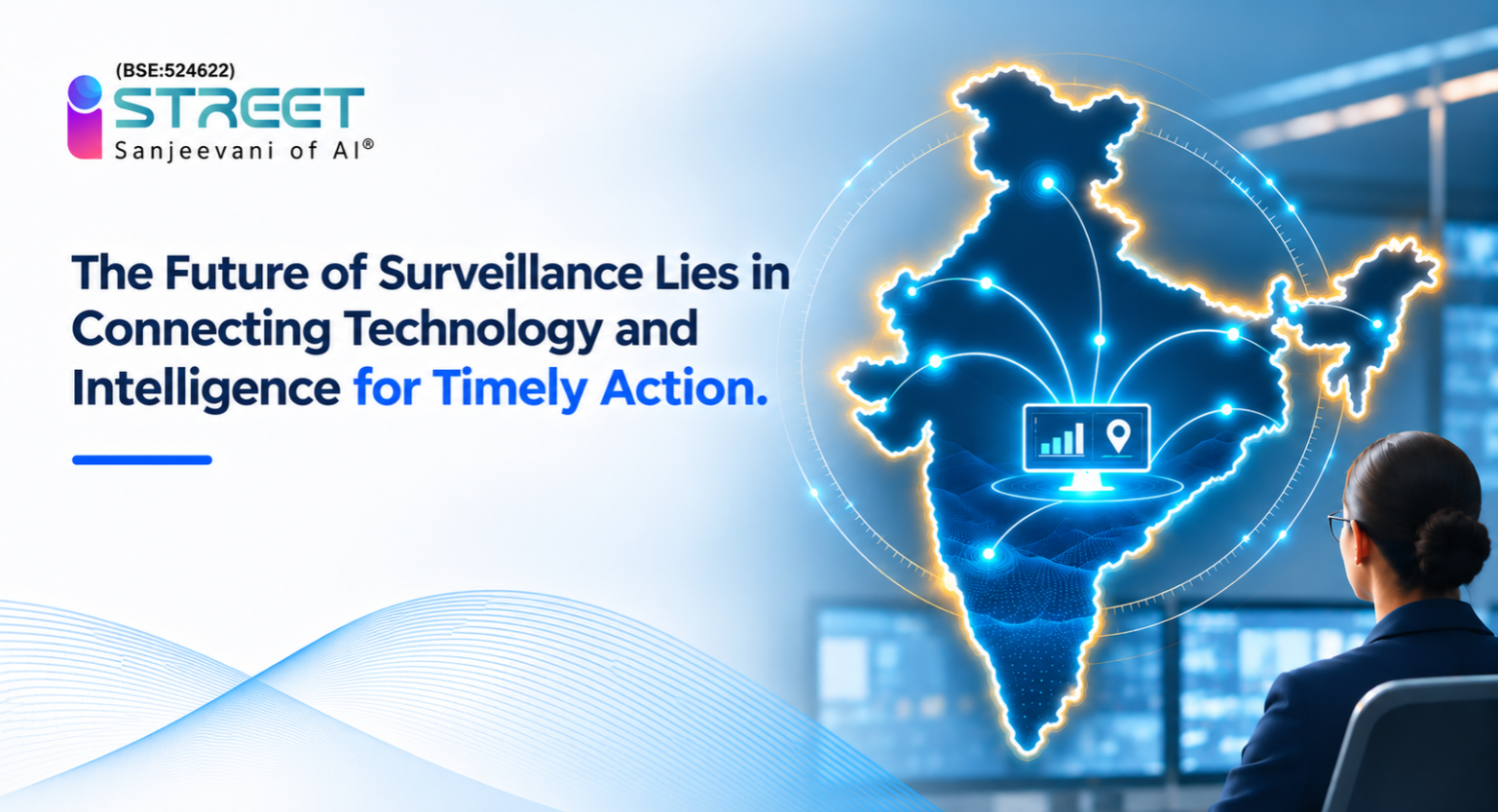
India’s border security is in a new phase, where advanced technology is becoming increasingly important in protecting the nation’s borders. With vast geographical boundaries, maintaining continuous surveillance requires a combination of skilled personnel, reliable infrastructure and intelligent technologies. Emerging challenges such as unauthorised drone movements, and cross-border infiltration have increased the need for stronger monitoring and faster security responses.
India’s growing emphasis on smart border security brings together drones, radars, advanced cameras and other surveillance technologies to strengthen protection. However, the effectiveness of these systems depends not only on the information they collect, but also on how quickly that information can be understood and used. Indigenous AI can play an important role in turning surveillance information into timely insights, helping security personnel identify potential threats and make informed operational decisions.
The Growing Complexity of Border Security
Border security operations involve monitoring large and often difficult geographical areas, where threats can emerge unexpectedly and require immediate attention. Traditional surveillance methods, including physical patrols and individual monitoring systems, remain essential. However, modern security challenges increasingly demand continuous visibility across multiple locations.
An unidentified drone entering a sensitive border area may be detected by radar, while cameras provide additional information about its movement. Other monitoring systems may capture activity in nearby locations. Each system contributes valuable information, but analysing these inputs separately can make it difficult to establish a complete understanding of the situation. Security personnel must determine whether the activity presents a potential threat, assess its significance and coordinate an appropriate response.
The challenge becomes greater when multiple incidents require attention simultaneously or when surveillance must be maintained across difficult terrain and remote locations. This creates a growing need for technologies that can bring together information, reduce manual analysis and support faster threat assessment.
Why Connected Surveillance Matters
Modern border security increasingly relies on multiple surveillance technologies working together. Drones provide aerial visibility, radars help detect movement, and cameras support visual monitoring. Together, these systems can strengthen awareness across sensitive regions. However, collecting more information does not automatically lead to better security.
When surveillance systems operate independently, personnel may need to review multiple feeds to understand a single incident. This can increase investigation time and make it harder to prioritise activities requiring immediate attention. A connected approach helps address this challenge by combining relevant information from different surveillance sources.
When unusual movement is detected, available radar and camera information data can be combined to provide a clearer picture of the activity. This allows security personnel to understand what has been detected, assess whether further investigation is required, and make decisions based on more complete information. The value of smart surveillance lies in making information more useful, not simply collecting more of it.
How Indigenous AI Can Strengthen Smart Border Security
AI-powered surveillance can improve border security by helping operational teams understand large volumes of information and respond more efficiently to emerging threats.
Continuous Border and Terrain Monitoring
AI-assisted monitoring can support surveillance across sensitive border areas by analysing available information from cameras, radars, drones and other connected systems. Unusual movements and activities can be highlighted for further investigation, helping personnel maintain awareness across locations that require continuous attention.
Correlating Surveillance Information
Sensor fusion enables information from multiple surveillance technologies to be combined into a clearer operational picture. Instead of reviewing separate alerts from different systems, security teams can examine related information together, making it easier to understand suspicious activity and its possible significance.
Earlier Identification of Potential Threats
AI can help identify unusual activity patterns that may require immediate attention, including suspicious drone movements or possible border intrusions. Relevant incidents can be highlighted for assessment, allowing security personnel to focus on activities that present greater concern.
Faster and Better-Informed Decisions
When suspicious activity is identified, timely access to relevant information becomes critical. AI-powered decision support can provide a consolidated view of available surveillance information, helping authorised personnel assess potential threats, prioritise incidents and coordinate appropriate action. The final operational response remains under human authority.
Protecting Critical Surveillance Infrastructure
As border security becomes more technology-driven, protecting connected surveillance systems is equally important. Continuous security oversight can help identify potential cyber threats affecting surveillance networks and supporting infrastructure, strengthening the reliability of essential monitoring services.
Strengthening Coordination Across Border Security Operations
Effective border protection depends on coordination between border guarding forces, intelligence agencies, and other authorised security organisations. When relevant information is available through connected systems, operational teams can develop a shared understanding of emerging threats and coordinate responses more effectively.
This is particularly important when incidents involve multiple locations or require cooperation between different authorities. Intelligent surveillance and decision-support capabilities can help reduce delays in information sharing while maintaining appropriate access controls and operational accountability.
Towards a More Secure and Intelligent Border Infrastructure
The advancement of smart border security creates opportunities to improve surveillance coverage, identify potential intrusions earlier and strengthen the effectiveness of security operations. Indigenous AI capabilities can contribute by connecting surveillance information, supporting threat assessment, reducing manual monitoring efforts and enabling informed decisions. Their effectiveness depends on reliable sensor information, secure system integration and appropriate human oversight.
As India’s border security infrastructure continues to evolve, the focus will increasingly be on combining technological capability with operational readiness. The strength of smart border security lies not only in detecting potential threats, but in enabling timely, informed and coordinated action to protect the nation’s borders.
About iStreet Network
iStreet Network Limited is an enterprise-grade, AI-native Sovereign AI ecosystem. At its core is Sanjeevani of AI®, iStreet’s AI Centre of Excellence and integrated framework that brings together observability, security, governance, risk, and compliance to operationalize enterprise AI with greater control, resilience, and assurance


